Baby Back
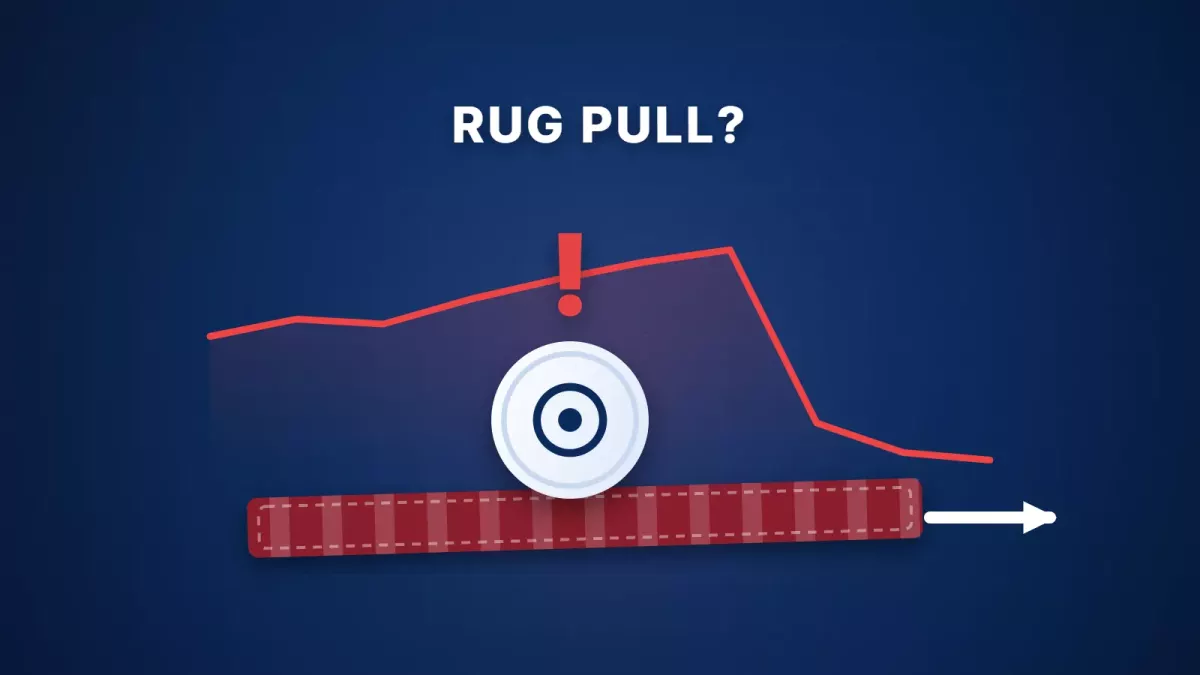
A rug pull is when the people behind a token take the money and leave the holders with tokens worth nothing. On Cronos, like on every chain, most rug pulls follow a handful of patterns. The good news: almost all of them leave traces in the contract or the pools that you can check before you buy. This guide shows the five main patterns and how to spot each one in a few minutes with the free MemesOnCronos tools.
Where to check: two free tools
- The token page. Every token listed on MemesOnCronos has a Security block with a score out of 100, a FAQ that answers "Is it a honeypot?", "What are the taxes?", "Is the contract renounced?" and "Can the liquidity be pulled?", and a timeline of big holder moves and liquidity changes. See the Mistery (MERY) page for an example.
- The token security scanner. Paste the contract of any Cronos token, listed or not, and get the same checks in a few seconds. The same scan is available on Discord with the MemesOnCronos bot and its
/scancommand.
Everything is read directly on the Cronos chain and simulated: nothing is ever sent from your wallet. The methodology page explains every check and how the score is calculated.
1. The honeypot: you can buy, but you cannot sell
A honeypot is a token whose contract lets anyone buy but blocks the sells, or lets only a few wallets sell. The chart goes up, because nobody can sell, until the creator takes everything.
How to spot it: MemesOnCronos simulates a buy, a transfer and a sell on the token's main pool. If the buy works and the sell fails, the token is a honeypot. The scanner shows "Honeypot: cannot be sold", the token page FAQ answers "Is it a honeypot?", and the security score drops to 0.
A token that passes today can still be turned into a honeypot later if its owner keeps control (see point 3). That is why the owner matters as much as the simulation.
2. Hidden or extreme taxes
Some tokens take a fee on every buy and sell. A small tax can be legitimate, for example to fund a burn or a project wallet. But a 30% or 50% sell tax, or a tax set to 99% just after launch, is a way to take your money without pulling the liquidity.
How to spot it: do not trust the tax written on a website. MemesOnCronos measures the real buy and sell taxes with a simulated trade: it compares what should arrive with what really arrives. The FAQ on each token page gives both figures. Watch for one more line: if the scan reports that the taxes can be changed, the owner can raise them at any time.
3. An owner who keeps dangerous powers
A contract can include functions that only its owner can use. Some of them are a rug pull waiting to happen:
- Mint: the owner creates new tokens out of nothing and sells them into the pool.
- Blacklist: the owner blocks chosen wallets, so they can no longer sell.
- Pause: the owner stops all transfers.
- Upgradeable code (proxy): the owner can replace the whole contract with new code.
- Ownership recovery: the contract looks renounced, but the owner can take it back.
How to spot it: the scanner reads the contract code and lists the dangerous functions it finds. The FAQ answers "Is the contract renounced?". A renounced contract means nobody can use the owner functions any more. MemesOnCronos also counts admin roles that survive a renounce as control, because a "renounced" contract with a hidden admin is a classic trick.
4. Liquidity that can be pulled
This is the original rug pull. The creator puts tokens and CRO in a pool on a decentralized exchange and receives LP tokens in return. Whoever holds the LP tokens can withdraw the pool at any moment. When they do, the price collapses and nobody can sell for anything.
How to spot it: the token page shows the liquidity and the share of the main pool's LP tokens that is burned. Burned liquidity is sent to an address nobody controls: it can never be withdrawn. The FAQ answers "Can the liquidity be pulled (rug pull)?". If most of the liquidity is not burned, it can be withdrawn, unless it is locked in a locker contract, which you need to check yourself. The token's timeline also records liquidity changes, so you can see if liquidity has already been removed.
Also look at the size of the pool. A pool with very little liquidity can be emptied by a single big sell, even without any bad intent.
5. A team or whale that dumps
Even with a clean contract and burned liquidity, a wallet that holds a large share of the supply can sell everything at once. The price drops just as hard as in a liquidity pull.
How to spot it: the scan shows the owner's share of the supply. The token page timeline lists big holder moves, which are transfers of at least 2% of the supply, with links to each transaction. A wallet that suddenly moves a big share of the supply towards a pool deserves your attention. For listed tokens, the full security report also shows the top holders.
Quick checklist before you buy
- Copy the contract address from the token's MemesOnCronos page, never from a private message.
- Check that the token can be bought and sold (no honeypot).
- Check the real buy and sell taxes, and whether they can be changed.
- Check that the contract is renounced, or that the owner has no mint, blacklist, pause or upgrade power.
- Check that most of the main pool's liquidity is burned, and that the pool is not tiny.
- Check the owner's share of the supply and the latest big holder moves.
- Look at the score: 80 and above is low risk, 50 to 79 medium, under 50 high risk.
What a scan cannot tell you
A scanner reads the contract and the pools. It cannot see what happens off the chain: a team that disappears, promises that are never kept, liquidity locked on another platform, or a contract change after the scan. A low-risk score means no known trap was found. It does not mean the project is good or that the price will go up.
Social signals still count: a real community, a team that answers questions, a project that keeps building. Our guide How to Avoid Scams covers the tricks that happen outside the contract, such as fake support agents and phishing links.
Do your own research
Meme coins are extremely risky and you can lose everything you put in. Use the scanner and the token pages as a first filter, not as a guarantee. Browse trending tokens and new listings with that checklist in mind, and read How to Buy a Meme Coin on Cronos before your first swap. Only spend what you can afford to lose, and always do your own research. Nothing on MemesOnCronos is financial advice.