Baby Back
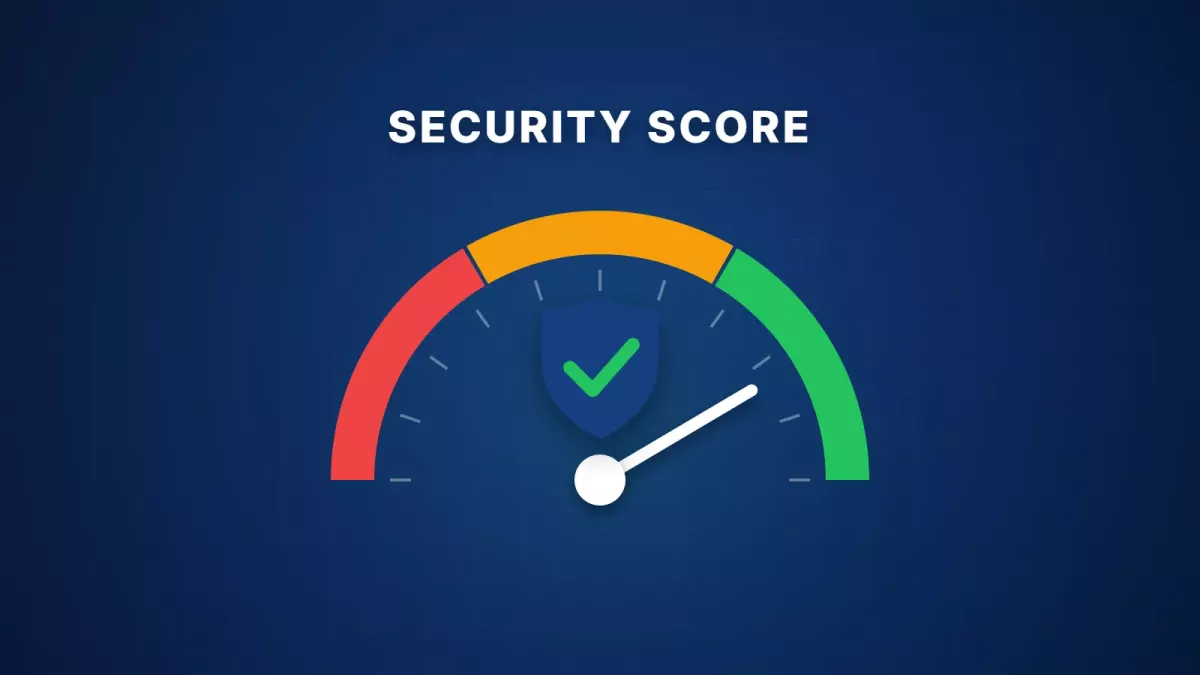
Every token on MemesOnCronos has a security score from 0 to 100, shown in a coloured ring on its page. It answers one question: does the contract or its pools contain a known trap? This guide explains where the score comes from, how points are taken away, how to read the three risk levels and, just as important, what the score does not tell you.
Where the data comes from
The score is not a rating from a partner and is never paid for. MemesOnCronos reads each token directly on the Cronos chain with its own engine, then runs a security scan in four parts. Everything is simulated: nothing is ever sent from a wallet.
- Buy, transfer, sell. A buy is simulated on the token's main pool, then a transfer to another wallet, then a sell. Comparing what should arrive with what really arrives gives the real taxes, and shows whether the token is a honeypot (a token that cannot be sold).
- Contract code. The code is searched for dangerous functions: minting, blacklist, pause, changeable taxes, trading limits, ownership recovery and self-destruct. Clones are followed to the code they copy, and upgradeable contracts (proxies) are flagged.
- Owner. Is the ownership renounced, and what share of the supply does the owner hold? Admin roles that survive a renounce still count as control.
- Pools. The liquidity of the token and the share of the main pool's LP tokens that is burned.
Scans are recalculated about every 3 hours, so the score follows changes to the contract or the pools.
How the score is calculated
Every token starts at 100. Each finding takes points away:
- Cannot be bought or sold (honeypot): the score goes straight to 0.
- Taxes above 30%: −40. Above 10%: −20. Above 5%: −10.
- Self-destruct possible: −40. Ownership can be taken back: −30.
- Owner can mint: −20. Upgradeable contract, blacklist or pause: −15 each.
- Taxes can be changed: −10. Trading limits: −5.
- The contract has an owner: −10. If the owner holds 20% of the supply or more: −20 (−10 from 5%).
- Liquidity under $500: −30. Under $5,000: −10.
- Less than 90% of the main pool's liquidity burned: −5.
The full table is on the methodology page, which is the reference if anything changes.
The three risk levels
- 80 to 100: low risk. No serious trap was found in the contract or the pools.
- 50 to 79: medium risk. Something deserves a look: an active owner, a tax, liquidity that is not burned, or a thin pool. Read the details before you buy.
- Under 50: high risk. Several serious findings, or one that is enough on its own. Boosts are refused to tokens in this range.
How to read a token's score
The number alone is not enough: always read the list of checks under the ring. Two tokens can both score 75 for very different reasons. A renounced token with a thin pool is not the same as a token whose owner can still change its taxes.
Take the Mistery (MERY) page as an example. When this guide was written, its Security block showed low risk, with every check passed:
- the token can be bought and sold;
- 0% buy and sell taxes;
- no dangerous function;
- ownership renounced;
- 98% of the liquidity burned.
The page also answers the common questions in its FAQ: "Is MERY a honeypot?", "What are the MERY buy and sell taxes?", "Is the Mistery contract renounced?" and "Can the MERY liquidity be pulled?". Click Full security report for every detail of the scan, including the pools and, for listed tokens, the top holders.
Check any Cronos token, listed or not
- The token security scanner: paste any Cronos contract address and get the same scan in a few seconds.
- The Discord bot: the
/scancommand gives the security verdict in any Discord server that has the bot. - The API: developers can read the score, the findings and every check in JSON.
- Widgets: projects can show their live score on their own website.
What the score does not tell you
A good score is not a recommendation. It means the contract and the pools show no known trap. It does not mean the project is serious, that the team will keep building or that the price will go up. A scan cannot see:
- what happens off the chain: promises, team behaviour, an anonymous team that disappears;
- liquidity locked on another platform;
- a change made to the contract after the last scan;
- pools on exchanges that MemesOnCronos does not cover.
Use the score as a first filter, then read How to Spot a Rug Pull on Cronos to understand each check, and How to Buy a Meme Coin on Cronos before your first swap.
Do your own research
Meme coins are extremely risky and you can lose everything you put in. Browse the trending tokens and new listings with the score in mind, but never buy on the score alone. Only spend what you can afford to lose, and always do your own research. Nothing on MemesOnCronos is financial advice.