CARTEL
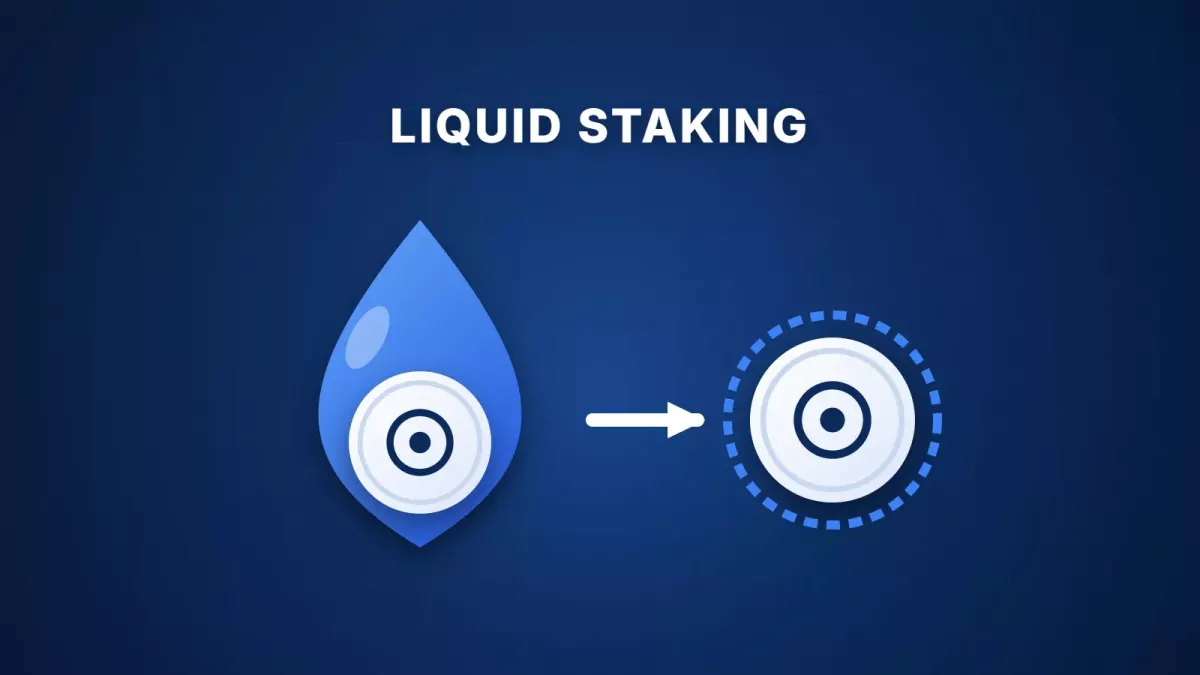
Staking CRO normally means locking it up. Veno Finance offers another route: you stake CRO and receive LCRO, a "liquid" token you can trade, lend or put in a pool while your CRO keeps earning rewards. Ferro Protocol, a stablecoin exchange on Cronos, is one of the places where LCRO is swapped back to CRO.
The two projects work hand in hand. Here is how they work, what the numbers say in November 2026, and the risks to understand before using them.
Veno Finance: liquid staking on Cronos
How it works
According to the Veno documentation, when you stake CRO, Veno bridges it from Cronos EVM to Cronos POS, the chain where CRO is staked, and delegates it to its validators. You receive LCRO in return.
LCRO does not increase in number in your wallet. Instead, each LCRO becomes worth more CRO over time, as staking rewards are added. On November 14, 2026, one LCRO traded for about 1.285 CRO on its main VVS pool, according to DexScreener.
Veno offers the same model for other assets: LATOM (Cosmos), LTIA (Celestia) and LETH (Ethereum, on zkSync Era), according to its introduction page. On November 14, its website showed staking yields of 3.53% for CRO, 18.71% for ATOM and 3.84% for TIA. These are the rates the site displays, and they change.
The cost of leaving
This is the part to understand before you stake. If you unstake through Veno, your LCRO is burned and you wait up to 32 days for your CRO: 28 days of unbonding on Cronos POS, plus batches processed every 4 days. Veno charges a 0.2% withdrawal fee. While you wait, you receive an NFT representing your claim, which can be transferred.
If you need CRO faster, you can sell LCRO on the market, on VVS or Ferro. Then you get the market price, which can be lower than the value of the CRO behind it, especially when many people want to leave at the same time.
Fees
Veno takes 10% of staking rewards on Cronos, including validator commission, according to its fees page. Over the 30 days to November 14, Veno generated about $53,000 of staking rewards for its stakers, and about $5,328 of revenue for the protocol itself, according to DefiLlama.
The numbers
- About 250 million LCRO were in circulation on November 14, 2026, read directly from the LCRO contract.
- Veno's value locked on Cronos was about $15.1 million, according to DefiLlama, down 27% since August 29, the day before the Tectonic exploit. Over the same period, CRO lost about 20% of its value.
- One year earlier, on November 14, 2025, Veno held about $39.2 million on Cronos.
- Its website claims more than 17,000 stakers and more than $775,000 in rewards paid. We could not verify these two figures independently.
The VNO token
VNO is Veno's own token, with a total supply of 2 billion, according to its tokenomics page. Locking VNO in the "Reservoir" earns a share of the protocol's revenue, and Veno says on its buyback and burn page that it uses part of its commissions to buy back and burn VNO roughly once a quarter. VNO is a separate, speculative token: you do not need it to stake CRO.
Ferro Protocol: the exchange behind LCRO
Ferro is a "StableSwap" exchange, designed for assets that should trade close to each other, like USDC and USDT, or LCRO and CRO. According to its documentation, it was part of the Cronos Labs incubation program. Veno calls Ferro the official DEX for its LCRO-CRO and LATOM-ATOM pools on its ecosystem page.
Ferro's contracts were audited by BlockSec. Its security page says all critical issues were addressed as of May 4, 2022.
A sharp decline
Ferro has shrunk more than Veno. According to DefiLlama, its value locked went from about $4.9 million in mid-July 2026 to about $3.6 million on August 29, then to about $0.7 million on November 14. Over the 30 days to November 14, Ferro processed about $2.1 million of volume but generated only about $800 in fees.
For LCRO holders this matters: a thinner pool means a worse price if you sell a large amount of LCRO quickly. On November 14, the LCRO/WCRO pool on VVS held about $707,000 of liquidity, according to DexScreener, so VVS is now a deeper route than Ferro for that pair.
Risks to keep in mind
- Smart contract risk. Veno's liquid staking contracts were audited by SlowMist in November 2022, and its strategy vault in August 2023, according to its security page. Audits reduce risk. They do not remove it.
- Validator and operator risk. Veno runs its own CRO validators and chooses the validators for ATOM and TIA, with "the full right to update the validator set", according to its validator page. You are trusting the team's operations.
- Exit risk. Unstaking takes up to 32 days. Selling on the market is faster but depends on pool depth, which has fallen.
- Cronos zkEVM exposure. Veno also powers tokens on Cronos zkEVM (zkCRO, vETH, vUSD). DefiLlama counted about $3.2 million of Veno value on zkEVM on November 14. Cronos zkEVM Alpha shuts down on June 3, 2027. If you hold those tokens, read Cronos zkEVM Alpha Shuts Down on June 3, 2027: How to Withdraw.
- Quiet documentation. Several Veno and Ferro documentation pages were last updated two or more years ago, and Veno's last Medium post dates from October 16, 2024. The products are live, but written updates are scarce.
Our take
Veno is one of the few Cronos DeFi protocols with a simple, useful product, a visible audit history and several years of activity: its first audit dates from November 2022. Its decline since the Tectonic exploit is close to what the CRO price explains on its own. Ferro, its partner exchange, is in much weaker shape.
If you use LCRO, remember the trade-off: you earn staking rewards and keep flexibility, but leaving at full value takes up to a month, and leaving fast depends on the market. Once you are done with a protocol, revoke its approvals with How to Revoke Token and NFT Approvals on Cronos.
Sources: veno.finance and the Veno documentation (liquid CRO staking, introduction, fees, security, validators, tokenomics, ecosystem), the Ferro documentation (incubation, security), DefiLlama, DexScreener, Veno's Medium feed and our own reading of the LCRO contract on Cronos EVM, all on November 14, 2026. This article is for information only. Always do your own research. Nothing on MemesOnCronos is financial advice.